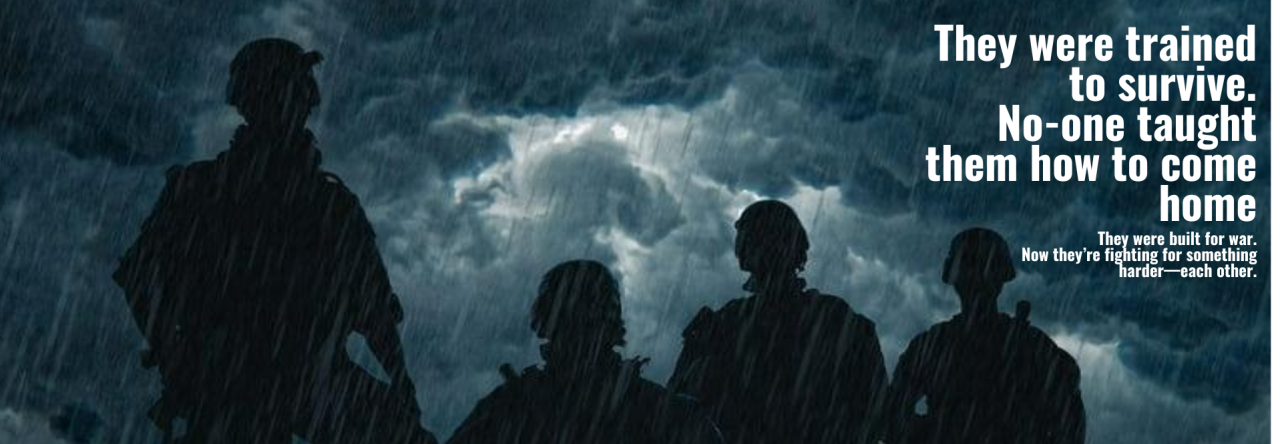
There’s a particular kind of character who walks into a story already convinced of one thing:
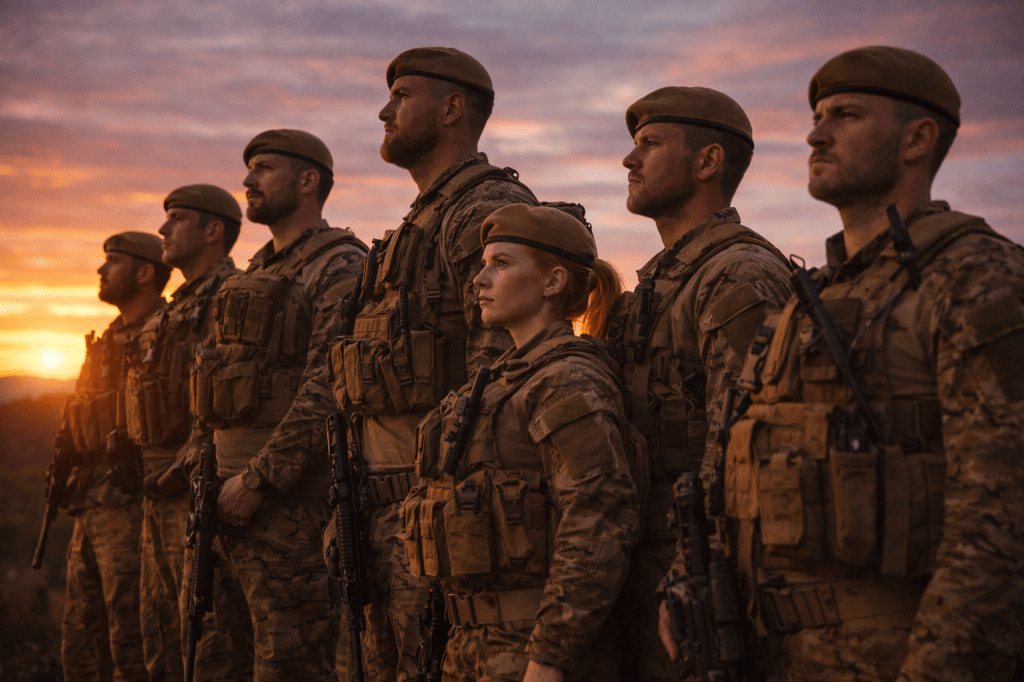
They are not the person who gets to be loved.
Not because they’re cruel.
Not because they’re incapable of it.
But because somewhere along the way they decided love wasn’t meant for them.
In the Avery Beckett universe, many of those characters are soldiers.
And soldiers learn very early that survival changes the way you see yourself.
Survival Guilt Changes the Equation
Soldiers carry a quiet mathematics in their heads.
Who came home.
Who didn’t.
Who should have.
Sometimes the answers to those questions don’t make sense.
Sometimes the person who lived was the one who believes they deserved it the least.
Survival guilt doesn’t always look dramatic. Often it’s quiet. A background noise that says: You’re still here, and they’re not.
Over time, that thought becomes something else.
A belief.
That the life you’re living now isn’t something you get to fill with joy.
That your job is simply to carry forward.
To finish the work.
To protect the people who remain.
Love starts to feel like something that belongs to other people.
People who didn’t walk away from the same battlefield.
Protectors Don’t Expect Protection
Another truth soldiers absorb is that their role in the world is very clear.
They are the ones who stand between danger and everyone else.
They are the shield.
When someone spends years living that way, the idea of being protected themselves starts to feel… wrong.
Unnatural.
They’re comfortable being the one who takes the hit.
The one who stays standing.
The one who makes sure everyone else makes it out.
But when someone tries to stand between them and the danger?
That’s harder to accept.
Because it disrupts the role they’ve built their identity around.
They believe they’re the protectors.
Not the protected.
Emotional Restraint Is a Survival Skill
For soldiers, emotional restraint isn’t just personality.
It’s training.
In high-risk environments, emotions can cloud judgement. Fear can slow you down. Grief can distract you when someone else’s life depends on your focus.
So they learn to compartmentalize.
They learn to set feelings aside until the mission is over.
The problem is that habit doesn’t disappear when the war ends.
It follows them home.
They become quiet about their pain. Careful with their emotions. Slow to trust anything that might destabilize the control they worked so hard to build.
And love—real love—is destabilizing.
It asks for vulnerability.
For openness.
For the kind of emotional exposure they’ve spent years learning how to avoid.
Touch Has to Be Earned
For some characters, touch is easy.
For soldiers who have lived with trauma, it often isn’t.
Physical closeness means trust. It means letting someone close enough to see what’s underneath the armor.
In many Avery Beckett stories, touch isn’t casual.
It’s earned.
The first hand on a shoulder.
The first quiet moment sitting beside someone without tension.
The first time a character realizes they didn’t instinctively pull away.
These moments matter because they signal something deeper.
Safety.
Not the absence of danger.
But the presence of someone who makes the world feel survivable again.
Love Feels Like a Risk They Can’t Justify
If you already believe your job is to protect others, love starts to look like a liability.
Because loving someone gives the world something to take from you.
It creates vulnerability.
It introduces the possibility of loss.
And for someone who has already lost too much, the instinct is simple:
Better not to start.
Better to stay alone.
Better to keep your focus on the mission.
Why They’re Wrong
The truth, of course, is that none of this means they don’t deserve love.
It means they’ve spent so long protecting others that they’ve forgotten they’re human too.
They forget that safety doesn’t only come from being strong.
Sometimes it comes from letting someone else hold the line for a while.
From letting someone see the parts of you that aren’t invincible.
From discovering that protection can go both ways.
The Quiet Power of Being Chosen
The most powerful moments in stories like these aren’t the dramatic declarations.
They’re the quiet realizations.
The moment a character understands that someone stayed.
That someone chose them.
Not because they were perfect.
Not because they were unbroken.
But because they were worth loving anyway.
And for someone who spent years believing love was for other people, that realization can change everything.
Because sometimes the bravest thing a protector can do…
is finally let themselves be protected.
 Avery Beckett Books